
Utilizziamo cookie di servizi di terze parti per attività di marketing e per offrirti una migliore esperienza. Leggi come utilizziamo i cookie e come puoi controllarli facendo clic su "Preferenze sulla privacy"

Lun-Ven 06.00 - 22.00
Sab-Dom 07.00 - 19.00
L’Ergoterapia è una professione sanitaria che ha come obiettivo il sostegno e il potenziamento delle capacità necessarie per affrontare in autonomia le attività della vita quotidiana, scolastica, lavorativa e sociale. Attraverso interventi personalizzati, l’Ergoterapista aiuta la persona a superare ostacoli fisici, cognitivi o emotivi, favorendo il benessere e la partecipazione nella comunità.
In ambito pediatrico, l’Ergoterapia supporta lo sviluppo armonico delle competenze motorie, cognitive, relazionali ed emotive, utilizzando il gioco e attività mirate come strumenti centrali di apprendimento. L’obiettivo è facilitare la crescita del bambino nelle sue tappe evolutive, sostenendolo nel raggiungimento di autonomie personali, scolastiche e sociali.
Attraverso attività personalizzate, l’Ergoterapista valorizza le risorse del bambino, promuove l’autostima e facilita la sua partecipazione a scuola, in famiglia e con i pari.
L’Integrazione Sensoriale rappresenta un processo fondamentale per lo sviluppo armonico delle competenze quotidiane. Essa consente di organizzare e dare significato alle informazioni provenienti dai sensi, permettendo al bambino di rispondere in modo efficace e adattivo alle richieste dell’ambiente.
Un funzionamento adeguato dell’integrazione sensoriale è alla base di abilità come il movimento coordinato e sicuro, la concentrazione e l’attenzione sostenuta, la regolazione delle emozioni, le capacità relazionali e sociali.
Quando questo processo incontra delle difficoltà, alcuni bambini possono faticare a filtrare, interpretare o modulare gli stimoli sensoriali. Ciò può avere ripercussioni sull’apprendimento, sul comportamento e sull’autonomia, rendendo più complessa la partecipazione alle attività scolastiche, ludiche e quotidiane.
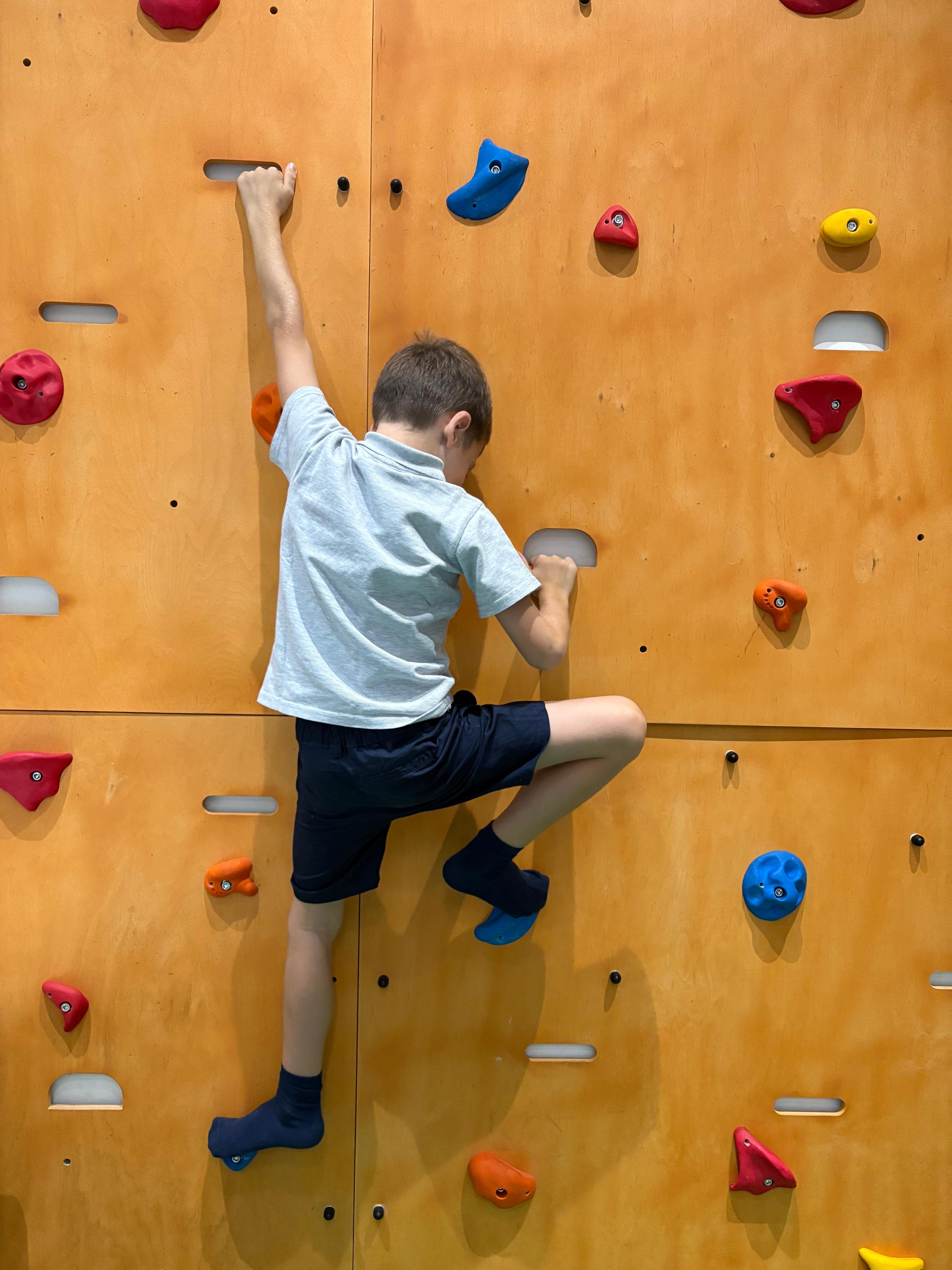
La stanza di integrazione sensoriale è uno spazio progettato per offrire al bambino un ambiente sicuro e stimolante, ricco di attrezzature specifiche come altalene, parete di arrampicata, materassi, amache, rampe e skateboard, fitball, piscina con palline,. Attraverso queste esperienze il bambino può esplorare, sperimentare e regolare le proprie sensazioni corporee, migliorando la capacità di organizzare le informazioni che arrivano dai sensi.
L’utilizzo della stanza di integrazione sensoriale permette all’Ergoterapista di proporre attività personalizzate che aiutano il bambino a sviluppare migliori capacità di autoregolazione, concentrazione e adattamento, favorendo così la sua crescita e il suo benessere.

©CityLugano 1.1.9 by Edika